When Jesus Christ was born, Scripture gives us very few details — and that restraint is intentional. The Nativity was not meant to overwhelm with spectacle, but to reveal God’s humility.
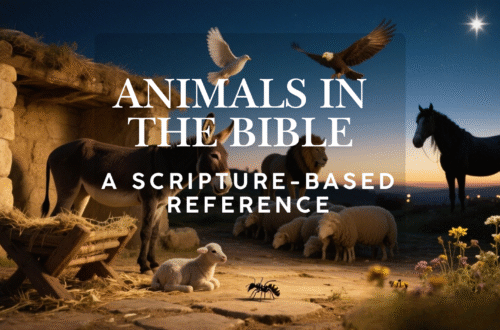
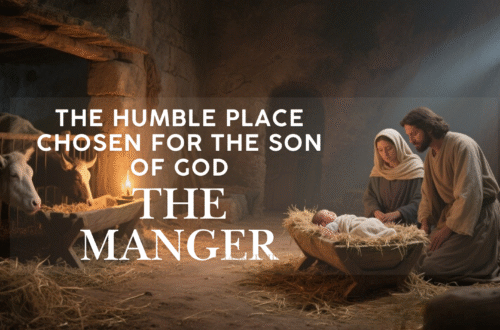
While the Gospels do not list animals explicitly standing at the manger, the setting itself tells us which creatures would have been present. A manger is a feeding trough. A stable is a place of animals. From that reality, combined with Scripture, geography, and first-century life in Bethlehem, we can understand who was there — and why their presence matters.
The animals of the Nativity are not decoration. They reflect the way God chose to enter the world: quietly, humbly, and within ordinary life.
The Donkey — Humility and Peaceful Obedience
Scripture references:
- Luke 2 (journey to Bethlehem, implied transport)
- Zechariah 9:9
- Matthew 21:1–11
Why it matters:
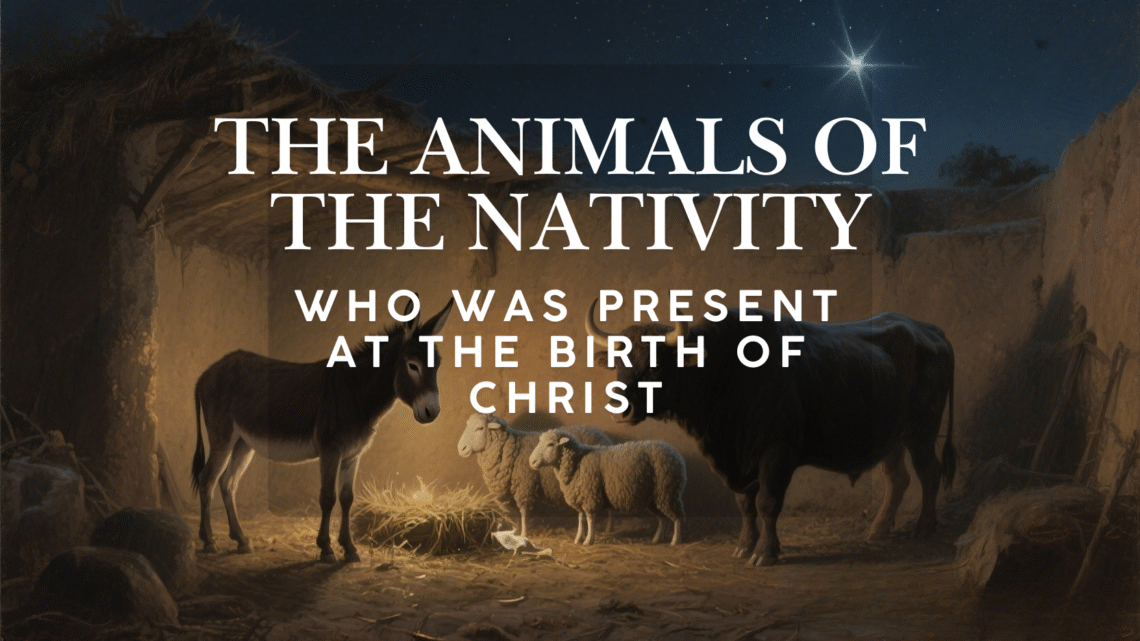
The donkey is the most widely accepted animal associated with Mary’s journey to Bethlehem. In the ancient world, a donkey was the safest and most practical animal for a pregnant woman — steady, slow, and sure-footed.
In Scripture, the donkey represents humility and peace. This is reinforced later when Jesus enters Jerusalem riding a donkey, fulfilling prophecy. God consistently chooses the lowly over the powerful.
Where in the scene:
Near the stable, having carried Mary to the place of birth.
The Ox — Strength Under Submission
Scripture references:
- Isaiah 1:3
- Deuteronomy 22:10 (agricultural context)
Why it matters:
Though not named directly in the Nativity narrative, the ox belongs naturally in a stable and appears in the earliest Christian tradition and iconography. Isaiah’s words — “The ox knows its owner, and the donkey its master’s manger” — were early understood by Christians as pointing toward Christ.
The ox symbolizes strength, labor, and faithful service without recognition.
Where in the scene:
Standing near the manger, part of the working animals of the stable.
The Sheep — Innocence and Sacrifice
Scripture references:
- Luke 2:8–20
- John 1:29
- Exodus 12
Why it matters:
Bethlehem was shepherd country. Sheep were raised nearby, many destined for Temple sacrifice. Shepherds were the first to receive the angel’s announcement — not priests or kings.
Sheep represent God’s people throughout Scripture. The lamb, in particular, points directly to Christ, who would be called the Lamb of God.
Where in the scene:
In the surrounding fields and likely near the stable, as shepherds came to see the child.
The Lamb — Foreshadowing Redemption
Scripture references:
- Genesis 22
- Exodus 12
- Revelation 5
Why it matters:
While lamb and sheep are often grouped together, the lamb carries special meaning. Christ’s placement in a manger (a feeding trough) echoes the sacrificial system — lambs prepared for offering were often laid in such places for protection.
This is not coincidence; it is foreshadowing.
Where in the scene:
Among the sheep, tied directly to the shepherds’ presence.
Insects of the Stable — Ordinary Life Continuing
Scripture context:
- Ecclesiastes 3:1
- Proverbs 30:24–28
Why it matters:
A stable is not sterile. Insects such as ants and flies would naturally be present. Scripture often uses small creatures to remind us of God’s order and the continuity of life.
Nothing about Christ’s birth halted the natural world — and that is part of the miracle.
Where in the scene:
Within the stable environment itself.
What Is Not Stated — and Why That Matters
Scripture does not describe animals reacting, bowing, or behaving miraculously. This silence is intentional.
God entered the world without disturbing creation.
Holiness arrived quietly.
Life continued.
That restraint teaches us as much as any detail would.
Why the Animals of the Nativity Matter
The animals of the Nativity remind us that God did not wait for perfection. He entered the world as it was — among labor, animals, noise, and humility.
They were not chosen for symbolism first.
They were present because this is how people lived.
And in that ordinariness, God revealed Himself.