Many Christians hear the phrase, “You’re supposed to pray to God only,” and accept it without question — often with confusion, hesitation, or even concern when saints or angels are mentioned in prayer. The question is valid, and it deserves a clear, Scripture-grounded response rather than assumption or accusation. What does the Bible actually teach about prayer, worship, and intercession?
From the beginning, Scripture is consistent: prayer and worship belong to God alone. The Father is the source of all life, Jesus Christ is the mediator, and the Holy Spirit moves according to God’s will. Yet the same Bible also speaks clearly about intercession — believers praying for one another, angels ministering by God’s command, and the faithful in heaven alive in Christ and participating in God’s order. Understanding the difference between worship and intercession is essential, because confusing the two creates division where Scripture does not.
This reflection exists to clarify what the Bible actually says — not to persuade, argue, or replace personal conviction, but to return the conversation to Scripture itself, where prayer begins and ends with God.
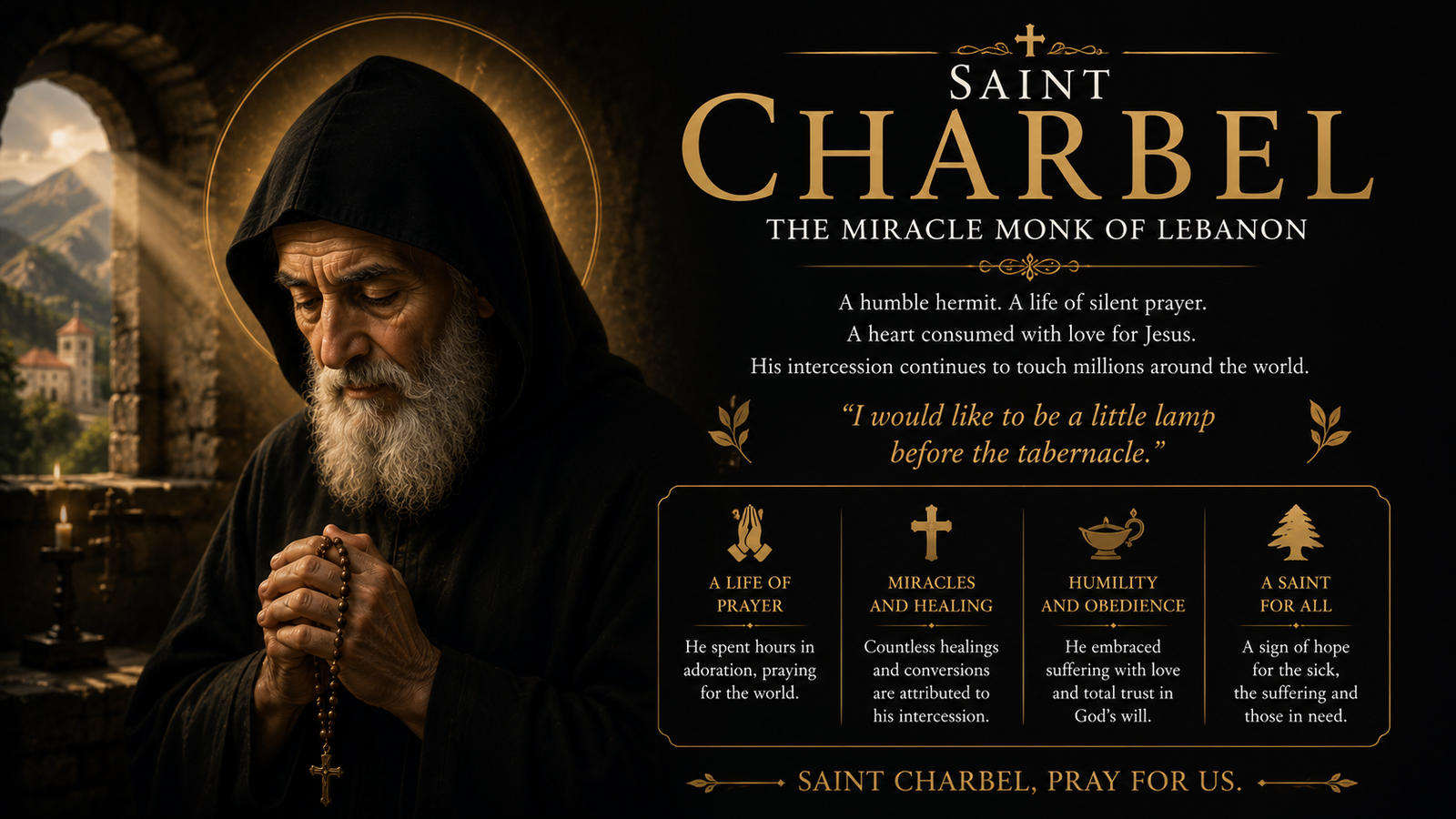
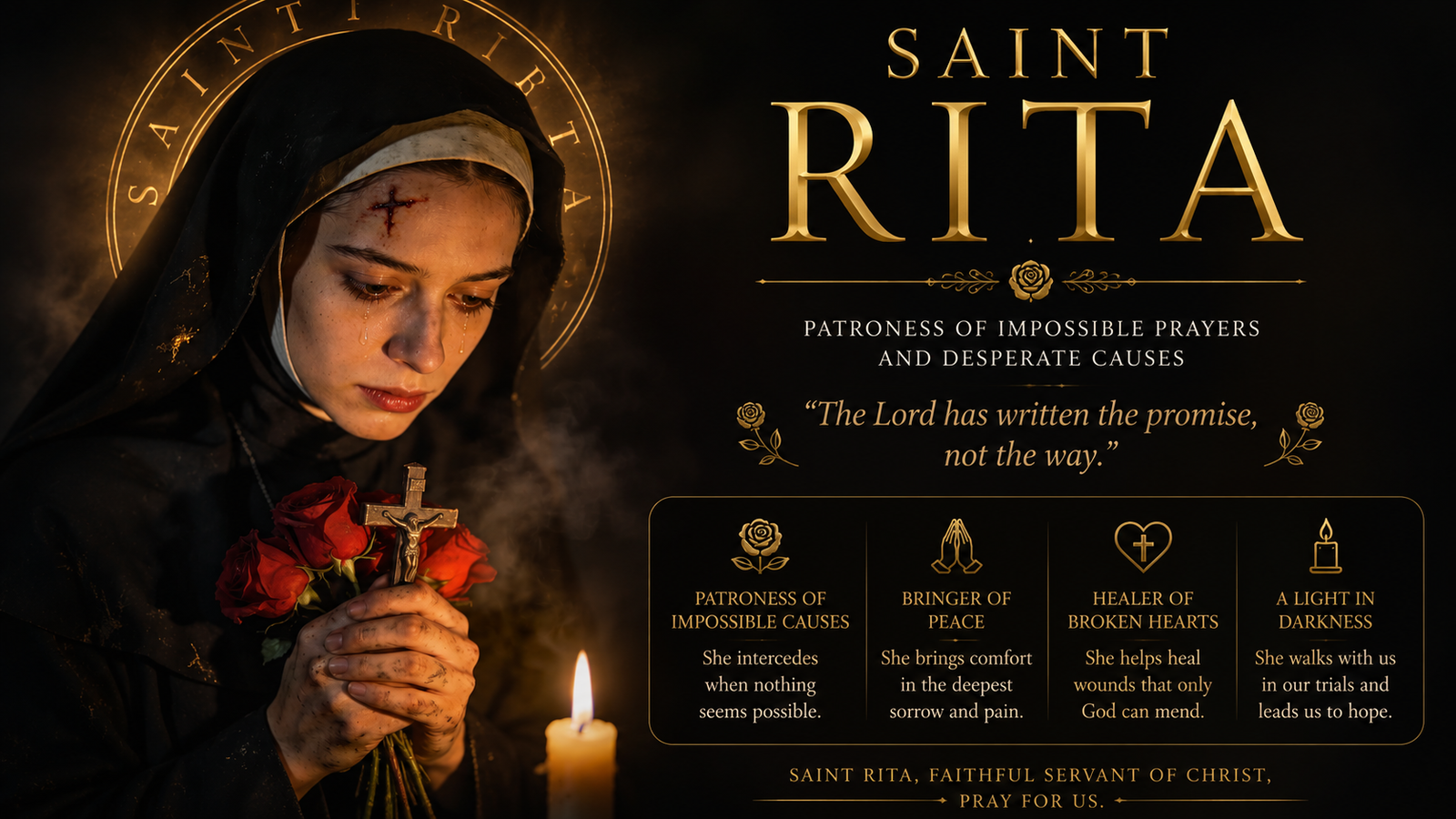
So Why Do Christians Mention Saints and Angels?
This question comes up often, and it’s a fair one.
Let’s be clear from the beginning:
We pray to God alone.
The Father is the source of all life.
Jesus Christ is the mediator.
The Holy Spirit moves and responds according to God’s will.
Jesus Himself teaches us to pray to the Father (Matthew 6:9), and He tells us to ask in His name (John 14:13–14).
That is not up for debate — and we fully agree.
So where do saints and angels come in?
Prayer vs. Intercession — the distinction matters
The Bible makes a clear difference between worship and intercession.
- Prayer (worship) belongs to God alone
- Intercession is asking someone to pray with us, not instead of God
Scripture tells us to pray for one another (James 5:16).
When you ask a friend, a pastor, or a prayer group to pray for you, you are not replacing God — you are asking for intercession.
The same principle applies when Scripture speaks of heaven.
What the Bible actually says
The Bible shows that prayers are presented before God in heaven:
“An angel came and stood at the altar… and he was given much incense to offer, with the prayers of all the saints, on the golden altar before the throne.”
— Revelation 8:3–4
Angels are described as ministering spirits sent by God:
“Are they not all ministering spirits sent out to serve for the sake of those who are to inherit salvation?”
— Hebrews 1:14
And Scripture shows that those in heaven are alive in God, not disconnected from Him:
“He is not the God of the dead, but of the living.”
— Matthew 22:32
At no point does Scripture say angels or the faithful in heaven replace God, answer prayers on their own, or receive worship. In fact, when worship is misdirected, angels themselves refuse it (Revelation 22:8–9).
So what are we actually doing?
We are doing what Scripture shows:
- Praying to God alone
- Trusting that God uses His heavenly order as He wills
- Acknowledging that God hears every prayer and answers according to His purpose and glory
Mentioning saints or angels is biblical language, not idolatry.
It recognizes God’s design — not a substitute for Him.
The heart of the matter
If your conviction is to pray directly to God — that is good and right.
If you choose not to mention angels or saints — that is your freedom.
But Scripture does not support the claim that acknowledging intercession equals false worship.
That conclusion goes beyond what the Bible actually says.
All prayer begins with God.
All answers come from God.
All glory belongs to God alone.
Our focus is to pray, to seek God, and to remain faithful to Scripture as it is written.