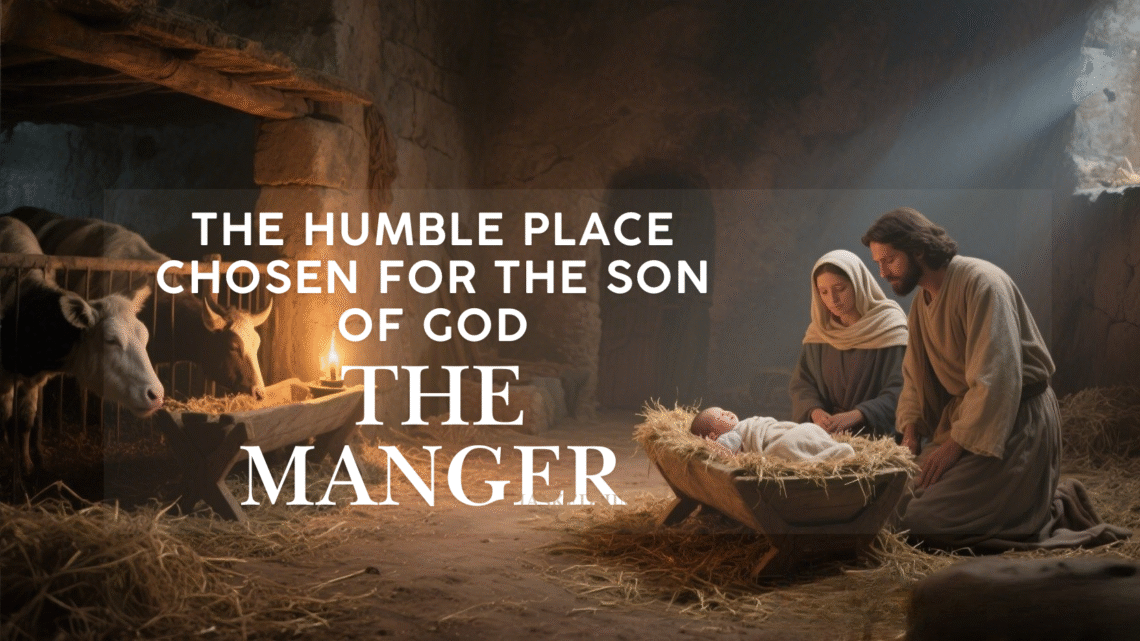
The Christmas story captivates hearts worldwide, but few elements carry as much depth as the manger in which the infant Jesus was laid. Far from a mere detail, the manger reveals profound truths about God’s love, Christ’s mission, and what it means for believers today.
What Was a Manger?
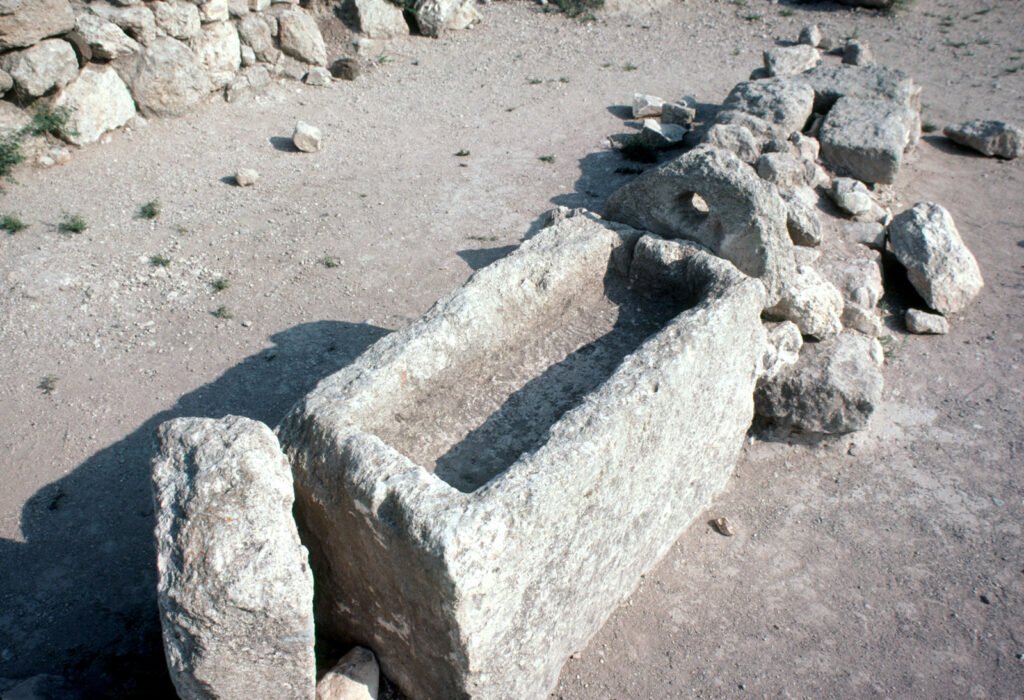
In the first-century world of Bethlehem, a manger (Greek: phatnē) was a feeding trough for animals, typically hewn from stone or wood and filled with hay or fodder. It held food for livestock like donkeys, oxen, or sheep.
Historical and archaeological evidence from ancient Judean homes shows mangers often sat in the lower level of family dwellings or adjacent caves where animals were kept at night. Unlike modern wooden cribs in nativity scenes, these troughs were practical, rugged, and unremarkable—part of everyday rural life.
Why Was Jesus Placed in a Manger?
Scripture explains this directly: Mary “gave birth to her firstborn son and wrapped him in swaddling cloths and laid him in a manger, because there was no place for them in the inn” (Luke 2:7, ESV).
The “inn” (Greek: katalyma) likely refers to a guest room in a relative’s home, not a commercial hotel. Bethlehem overflowed with travelers for the Roman census, leaving no private space upstairs. The Holy Family stayed in the main living area or animal quarters below, where a manger provided a safe, elevated spot for the newborn.
This was no accident of fate but part of God’s sovereign plan.
The Symbolism of the Manger
The manger’s significance unfolds in layers of biblical theology:
- Humility and Lowliness — The King of kings entered the world not in a palace but in the humblest circumstances. Jesus, the eternal Son of God, “emptied himself, by taking the form of a servant” (Philippians 2:7). His first bed—a feeding trough for beasts—underscores that the Savior identified with the poor, marginalized, and overlooked. It fulfills prophecies like Micah 5:2, pointing to Bethlehem’s humble origins for the Messiah.
- Accessibility and Invitation — No palace gates or guards barred access to this King. Shepherds, society’s outcasts, received the angelic announcement and found Him easily: “This will be a sign for you: you will find a baby wrapped in swaddling cloths and lying in a manger” (Luke 2:12). The manger declares that Jesus is approachable by all—rich or poor, Jew or Gentile.
- The Bread of Life — The word “manger” relates to “to eat” (Latin: manducare). Jesus, laid in a vessel meant for feeding animals, foreshadows His declaration: “I am the bread of life; whoever comes to me shall not hunger” (John 6:35). Like grain in a trough, He offers Himself as spiritual sustenance. This echoes Eucharistic themes, where Christ gives His body as food for eternal life.
The manger is mentioned three times in Luke 2 (verses 7, 12, 16), emphasizing its role as the “sign” confirming the angels’ message: “Unto you is born this day in the city of David a Savior, who is Christ the Lord” (Luke 2:11).
What the Manger Means for Us Today
In a world that often chases status, wealth, and comfort, the manger challenges believers to embrace humility. Jesus did not come to be served but to serve and give His life as a ransom (Mark 10:45). It reminds us that true greatness lies in lowering ourselves, serving others, and making room for Christ in our lives—even in the “lowly” places.
The manger also offers hope: the God who entered our mess in a feeding trough is near to the brokenhearted. No situation is too humble or chaotic for His presence. As we celebrate Christmas, may we, like the shepherds, hasten to the manger and find the Savior who feeds our souls eternally.
This Christmas, let the manger inspire you anew: the Lord of all creation chose humility so that we might have life abundant. Glory to God in the highest!